



sheet metal rolling mill
/Sheet metal rolling mills have been the backbone of the industrial manufacturing sector, shaping the landscape of modern architectural developments and machinery. The cutting-edge technology and engineering precision inherent in these mills have made them indispensable in the production of high-quality metal sheets used worldwide. A sheet metal rolling mill operates on a straightforward yet sophisticated principle. The centerpiece of this operation is the rolling machines with rollers, meticulously engineered to exert immense pressure on metal sheets, reshaping them to the desired thickness and flatness. The precision involved ensures a consistent thickness across vast stretches of metal, eliminating imperfections and enhancing structural integrity. This process is essential in industries ranging from automotive to aerospace, where the quality of metal sheets directly influences the safety and performance of the final product. For businesses contemplating investment in sheet metal rolling mills, understanding the nuances of this technology is crucial. The first consideration is typically the type of mill required. There are several configurations to choose from, including two-and-three-high mills, which are suitable for small production batches and preliminary rolling. For larger volume needs, four-high or cluster mills are more efficient and deliver superior precision. Selecting the right materials for the rollers is equally significant . Hardened steels and carbide are common choices, known for their durability and resistance to wear and tear. A high-quality rolling mill should also be equipped with an intuitive control system, allowing operators to adjust parameters quickly and efficiently, enhancing productivity and reducing downtime. In terms of actual experience from industry professionals, regular maintenance and calibration have been highlighted as pivotal elements in ensuring the longevity and consistent performance of a rolling mill. Even the most advanced mills can experience operational hiccups if not properly maintained. Therefore, establishing a strict maintenance schedule, complete with regular checks and calibrations, can significantly extend the lifespan of the machinery and ensure that it operates at peak efficiency. sheet metal rolling mill The expertise involved in running a sheet metal rolling mill extends beyond mechanical proficiency. Operators must be knowledgeable about material science to make informed decisions about metal types, as different metals react uniquely under pressure and temperature variations. This understanding directly impacts the product's quality, necessitating continual education and training to keep abreast of industry advancements. When it comes to showcasing authority in the sheet metal rolling mill industry, partnerships and collaborations with leading technology providers signal credibility. Companies that align with top-tier engineering firms and material scientists not only gain access to the latest technological advancements but also benefit from shared knowledge that pushes industry standards forward. Trustworthiness in this sector largely hinges on delivering consistent, high-quality products. Therefore, many leading rolling mill providers emphasize transparency in their processes, inviting customers to tour facilities, witness operations firsthand, and initiate dialogues about challenges and solutions. Such openness fosters trust and solidifies reputations in a competitive marketplace. Embracing advanced analytics and IoT in the operation of rolling mills is also enhancing trust. Real-time data collection enables continuous monitoring of the machinery's performance, predicting maintenance needs before they result in costly repairs and ensuring that production runs smoothly without unexpected interruptions. This adoption of technology not only optimizes operations but also reinforces a commitment to reliability and innovation. In conclusion, for stakeholders in the sheet metal rolling mill industry, focusing on experience, expertise, authoritativeness, and trustworthiness is paramount. By leveraging cutting-edge technology, understanding material science intricacies, and prioritizing open communication, businesses can maintain a competitive edge, delivering high-quality, reliable metal sheet products that meet rigorous industry standards.

We have successfully executed over 500
projects around the world,
many first-of-their-kind
research projects and products in China, including
We have successfully executed over 500
projects around the world,
many first-of-their-kind
research projects and products in China, including
-
2004
The 1st hydraulic AGC system for hot rolling of ribbon steel
-
2006
The 1st AFC system used for 1450mm skin pass mill
-
2009
The 1st 5-stand tandem line with 2-stand POR & Uncoiler for 650mm ribbon steel
-
2012
The 1st reversing mill for 1380mm strip
-
2016
The 1st soft-rolling system used in skin pass mill
-
2019
The 1st fully automated medium-width tandem cold rolling mill
-
2021
The 1st 5000KN Twin-stand double skin pass mill
-
2022
The 1st coupled pickling line & tandem cold mill with two modes - big roller & small roller
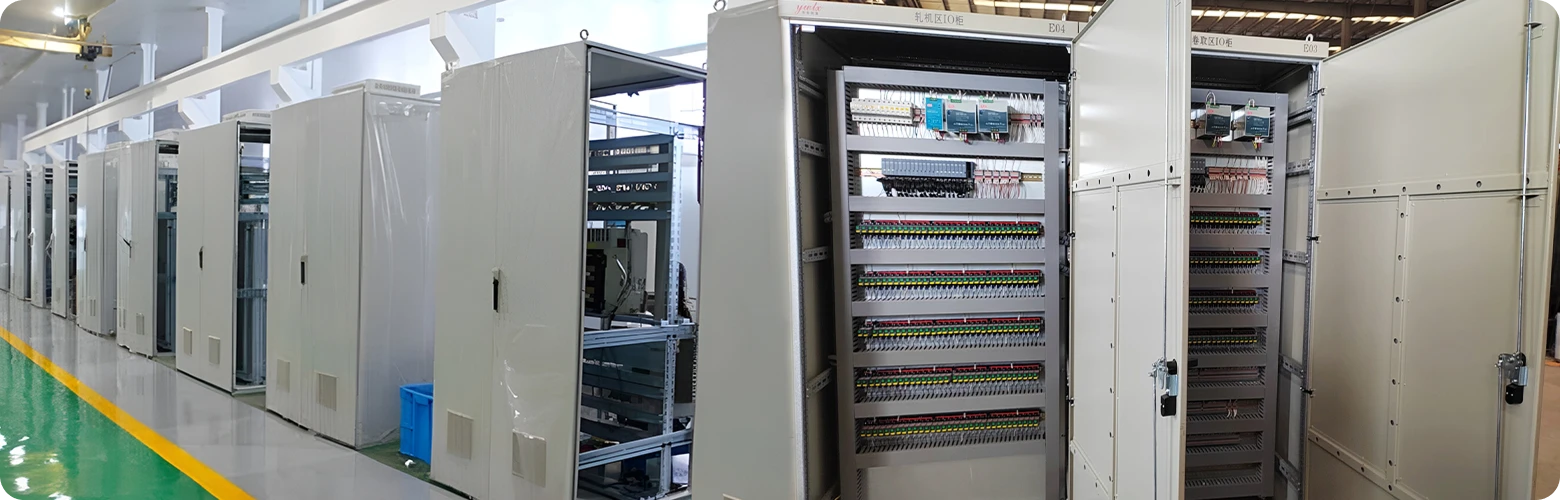
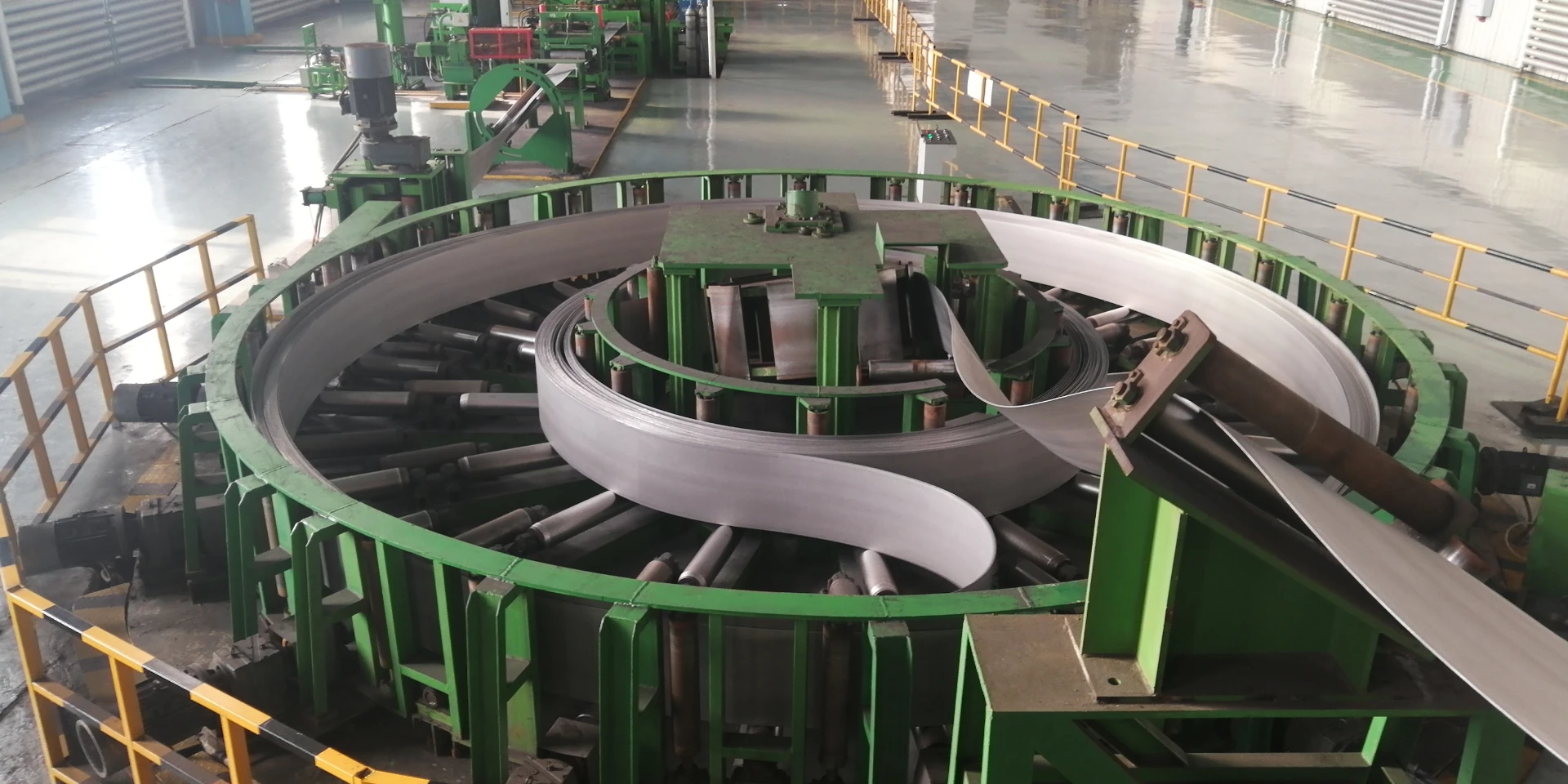
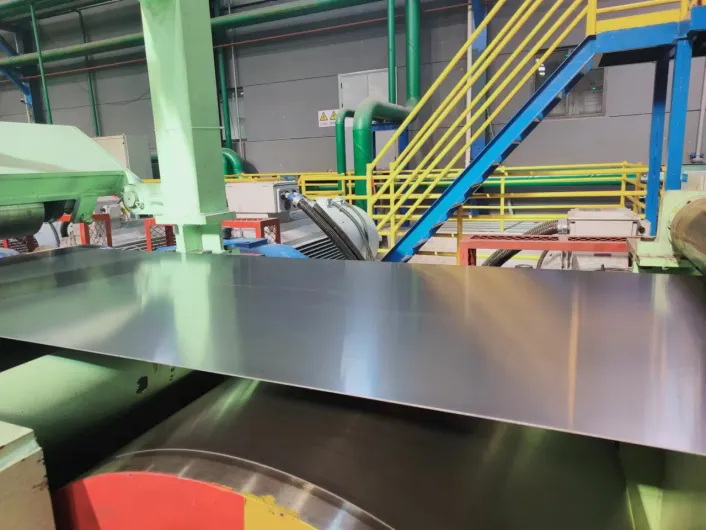

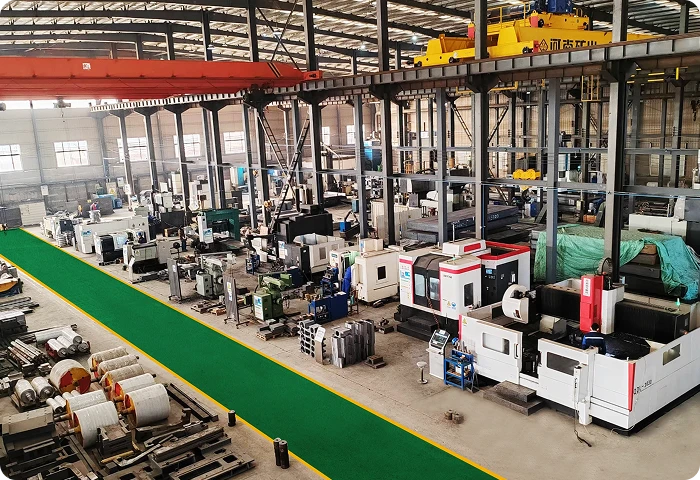
Yang Wang Li Xin operates a state-of-the-art facility over 66,000 square meters,and our manufacturing facility is fully equipped with high-tech machinery and high-capacity cranes. This enables us to handle large work pieces measuring 4.5m in width, 10m in length, and 1.5m in height, guaranteeing our capacity to produce 1800mm skin-pass mills and 1450mm rolling mills. The individual piece can weigh up to 100 tons.

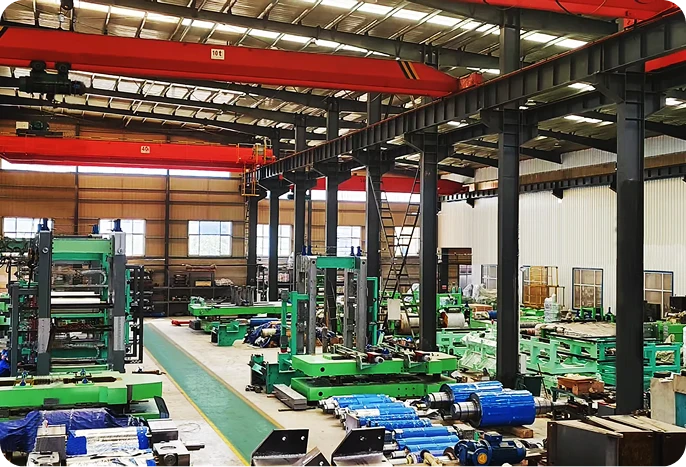

Quality is fundamental to the enterprise survival. We have established a comprehensive and meticulous quality management system and have successfully obtained ISO14000 certification. Starting from the design source, it supervises the entire production cycle, including design, procurement, processing, assembly, in-factory testing, installation, and online commissioning. The workshop is equipped with measuring tools like vernier calipers, spectrometers, hardness testers, and ultrasonic flaw detectors. They are used to check materials and control tolerances to ensure the final equipment meets or exceeds requirements. All products have a unique code, This enables the easy identification and traceability of the equipment components and ensures full control of quality.


-
 Hot Rolling Mill Processes and Techniques for Metal Fabrication and ProductionHot Rollers The Art and Science of Hot Rolling Hot rolling is a metalworking process that takes place at elevated temperatures, typically above the recrystallization temperature of the material. This technique is commonly used for shaping and forming various metals into desired shapes and sizes. Among the machinery integral to this process are hot rollers, which play a critical role in manufacturi
 -
 Skin Pass Mill: The Core Equipment of Zinc Plating Production LineIn the field of metal sheet processing, especially in the galvanized production line, the skin pass mill is one of the most important equipment, which plays a key role in improving the quality of galvanized sheet. Innovative Achievements of Skin Pass Mill The company actively summarized and absorbed the latest technology at home and abroad, and successfully developed high-quality skin pass mill s
 -
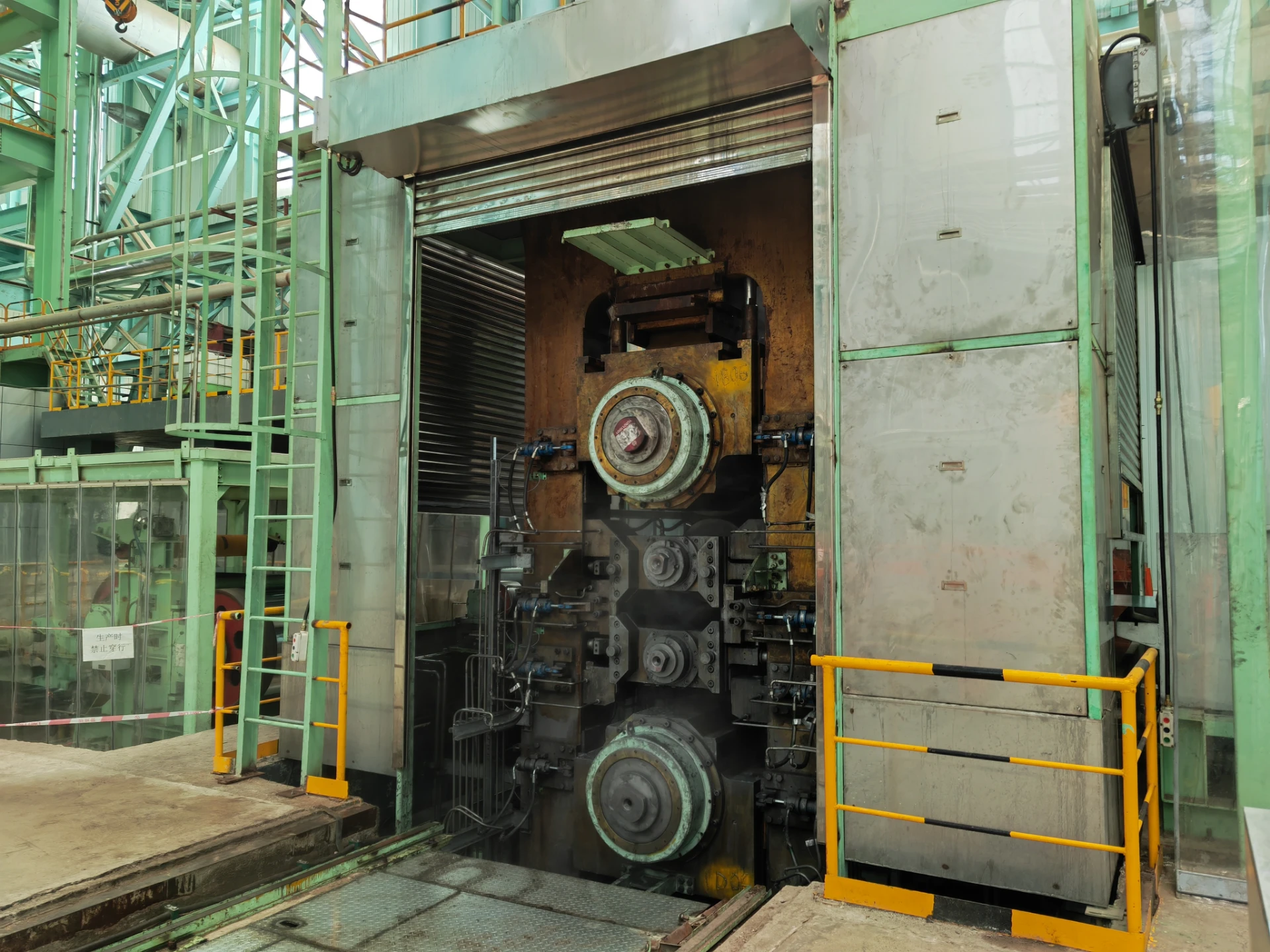 Precision Temper Rolling Mill | Enhance Steel Surface & FlatnessThe Advanced Temper Rolling Mill : Enhancing Steel Properties for Modern Industries In the highly competitive world of metal manufacturing, the demand for superior material properties and precise surface finishes is paramount. The temper rolling mill stands as a cornerstone technology in achieving these critical objectives. This sophisticated equipment plays a vital role in refining the mechanical


